To plan weekday lunches with a short shopping list, start with the days you actually need a packed lunch. Choose two or three meals that share ingredients, check what is already at home, then buy only the missing amounts. You can plan the whole week without preparing every meal on Sunday.
A lunch for a train commute has different needs from one eaten at home. Before choosing recipes, check whether you will have a fridge, a microwave and time to sit down.
Start with three lunch slots
Write down where you will be at lunchtime. Perhaps Monday and Tuesday are office days, Wednesday is at home, and the rest of the week is still uncertain. Plan those first three lunches and leave space for a change.
Choose one meal you already enjoy. It might be a pasta salad, a sandwich or a bowl of soup with bread. Write its ingredients beside it, then look for another lunch that uses some of the same food.
Leicestershire's Less Waste meal-planning guide recommends checking your cupboards, fridge and freezer, planning around your calendar and writing quantities on the shopping list. Use that as a starting point; your list only needs to cover your own plans.
One set of ingredients, three different lunches
Here is an illustrative plan using familiar supermarket ingredients. It is a set of meal ideas, not a calorie target or a prescribed diet.
| Lunch | What to put together | Ingredient to use again |
|---|---|---|
| Monday: penne and chickpea salad | Cooked penne, chickpeas, tomatoes, cucumber and a lemon dressing | Keep some uncooked penne for another day |
| Tuesday: chickpea and feta pitta | Pitta bread with chickpeas, cucumber, tomatoes and feta | Use the same vegetables in a different format |
| Wednesday: warm tomato penne | Freshly cooked penne with tinned tomatoes, spinach and feta | Use cupboard pasta and ingredients already on the list |
The overlap is deliberate: pasta appears twice, chickpeas twice, and tomatoes work in more than one lunch. You get some variety without choosing three unrelated recipes.
If feta is not something you eat, choose an ingredient that suits you and revise the list. If your shop sells vegetables loose, buy the amount your plan needs. With packaged food, check the pack size and decide where the rest will go.
The Wednesday meal does not require keeping Monday's cooked pasta until midweek. Leave that portion dry in the cupboard and cook it when needed.
Turn the ideas into a shopping list
For this example, check for penne, tinned chickpeas, tinned tomatoes, pitta, cucumber, fresh tomatoes, spinach, feta, lemon and your usual dressing ingredients.
Use three headings on paper or in a notes app:
- Already have: food you can use for the planned meals.
- Buy: missing ingredients, with the amount or pack size you need.
- Use first: opened or perishable food that needs an earlier place in the plan.
Cross-check each lunch against the list. A dressing is easy to overlook; so is bread to go with soup. If two lunches need cucumber, count both before deciding how much to buy.
Start with portions you normally eat and adjust after trying the plan. The aim is a workable lunch, not an identical container for every day.
Ask Nourri for ideas, then choose what fits
In Nourri Nutrition, the AI Nutrition Companion can help you think through meal ideas. Try a specific prompt:
“Suggest three weekday lunches using chickpeas, pasta and spinach. I have a fridge at work but no microwave.”
Read the suggestions before shopping. Check ingredients, preparation steps and anything you avoid eating. A chat suggestion is a starting point for your own choice; it does not automatically become a saved meal.
For a suggestion for today, open Daily Menu. It uses your remaining calories and protein needs to suggest meals. Tap Swap to explore another idea, or Log if you eat the suggested meal.
The meal plan and the meal log serve different purposes. One helps you decide what to eat; the other records what you actually ate.
Plan storage as well as ingredients
A weekly plan does not mean leaving five cooked lunches in the fridge all week. The UK's Food Standards Agency guidance advises cooling and covering leftovers, refrigerating or freezing them within one to two hours, and eating refrigerated leftovers within 48 hours. Freeze extra portions promptly for later use. When reheating, reheat only once and until steaming hot throughout.
Follow the food's packaging and local food-safety guidance, including storage instructions after opening. Keep perishable lunches chilled during your journey and until you eat them.
Log the lunch you actually eat
Perhaps you add more feta, leave some pasta or buy a sandwich instead. Let the food log reflect that change.
In Nourri Nutrition, review the food and portion before saving. If you use a photo, check the ingredients and any dressing or extras that are hard to see. Calories and macros are estimates. Our guide to logging a mixed meal from a photo explains what to review.
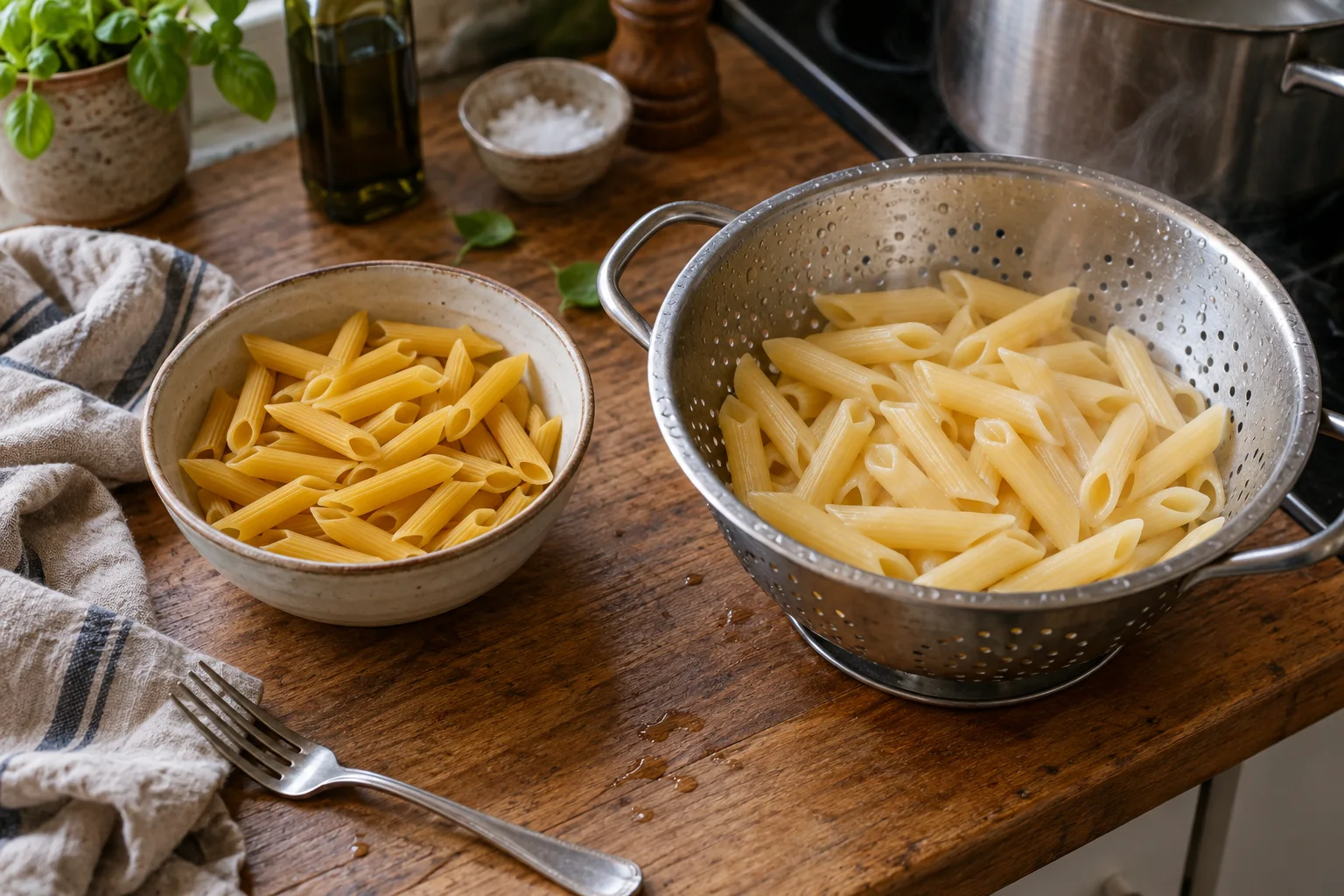
For pasta, match the weight to the entry or packet description. Dry and cooked pasta weights are different, so use the matching values.
A small plan is enough to begin
You do not need five new recipes or a perfectly filled calendar. Choose one lunch you would like to eat, find another use for some of its ingredients, and write the missing items on your list.
Open Nourri Nutrition and explore a meal idea for the next lunch you actually need to plan.
Sources and further reading
- Less Waste: meal planning and using lists
- Food Standards Agency: food storage, leftovers and reheating
- Nourri Nutrition